
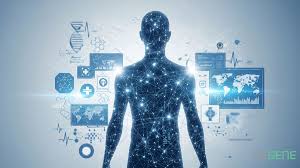
The healthcare industry is undergoing a massive transformation in 2025, and one of the most groundbreaking innovations is personalized medicine powered by DNA-based health plans. Unlike traditional medicine, which often uses a one-size-fits-all approach, personalized medicine tailors healthcare to an individual’s unique genetic makeup. By analyzing DNA, doctors and researchers can predict disease risks, customize treatments, and even suggest lifestyle changes that align with genetic predispositions.
This revolution in healthcare is not just futuristic—it is already happening. As more companies and medical institutions adopt DNA-based strategies, patients are beginning to see the benefits of having health plans built around their unique genetic codes. Interestingly, while industries such as gaming and digital platforms like togelslot88 login are embracing personalization in user experiences, healthcare is applying the same principle but on a much deeper, biological level.
The Rise of DNA-Based Health Plans
In the past, most healthcare systems relied heavily on generalized guidelines. For example, if someone had high cholesterol, they might receive the same dietary advice or medication as millions of others with the same condition. However, not all bodies respond equally. Some people process fats differently, some metabolize drugs faster or slower, and others have hidden risks that standard checkups cannot detect.
With DNA sequencing now faster and more affordable than ever, genetic testing is becoming a standard tool for health planning in 2025. These health plans analyze a person’s genes to identify:
-
Disease predispositions (e.g., higher risk of diabetes, cancer, or heart disease).
-
Drug response variations (why some people experience side effects while others do not).
-
Nutritional needs (which vitamins or minerals a body absorbs more effectively).
-
Exercise compatibility (whether someone benefits more from cardio, strength training, or endurance workouts).
Such precision allows healthcare providers to move from reactive medicine—treating illnesses after they appear—to proactive and preventive strategies.
How Personalized Medicine Works
At the core of personalized medicine is genomic sequencing. A simple saliva swab or blood test can provide a complete genetic profile. This data is then analyzed using AI-driven algorithms to uncover insights about health risks and treatment effectiveness.
For example, a patient with a genetic mutation that increases the risk of breast cancer can undergo regular screenings and preventive care earlier than someone without that risk. Similarly, patients with certain DNA markers may benefit from specific drug dosages rather than standard prescriptions, avoiding harmful side effects.
This approach ensures that healthcare is not only more effective but also safer. By minimizing trial-and-error in treatments, DNA-based health plans save both time and resources.
Preventive Care: The New Healthcare Standard
One of the biggest promises of DNA-based health plans in 2025 is prevention. Instead of waiting for symptoms to appear, doctors can predict potential health challenges years in advance. Imagine knowing at age 25 that you have a predisposition for heart disease and receiving a custom health plan that includes diet, exercise, and lifestyle adjustments designed to lower that risk dramatically.
This proactive method is already reshaping insurance and wellness programs. Employers, for instance, are beginning to offer genetic screenings as part of employee health benefits. Just as digital platforms like togelslot88 login personalize entertainment experiences, healthcare providers are now tailoring preventive strategies to the individual.
Ethical and Privacy Concerns
While personalized medicine is revolutionary, it does not come without challenges. Storing and analyzing DNA data raises concerns about privacy and security. Patients want to know who has access to their genetic information and how it will be used.
There are also ethical debates around genetic editing and whether DNA-based predictions could lead to discrimination in employment or insurance. Policymakers in 2025 are working to establish stricter regulations to ensure patient data remains private and is used only for medical purposes.
Transparency, consent, and secure data storage will be crucial in gaining patient trust as DNA-based health plans become more common.
The Role of Artificial Intelligence in DNA-Based Health Plans
Artificial intelligence (AI) plays a crucial role in making sense of complex genetic data. With billions of data points in a single genome, AI-driven platforms can process information quickly and deliver actionable insights.
For instance, predictive analytics powered by AI can identify not just current risks but also potential long-term health trajectories. This means patients can receive guidance on how their genetic factors interact with environment, lifestyle, and aging.
Interestingly, the personalization methods AI uses in healthcare are not too different from those in industries like gaming and online platforms. Just as togelslot88 login systems adapt to user behavior, AI in healthcare adapts treatment plans based on genetic data and evolving health conditions.
The Future of Healthcare in 2025 and Beyond
The year 2025 marks a turning point for personalized medicine. What was once considered experimental is now becoming mainstream. DNA-based health plans are paving the way for:
-
Precision oncology, where cancer treatments target specific genetic mutations.
-
Custom nutrition plans designed to match metabolic profiles.
-
Digital health apps that integrate genetic data with daily lifestyle tracking.
-
Global health initiatives that use DNA-based insights to fight widespread diseases.
Healthcare is shifting from generalized solutions to highly individualized care. This transition could potentially reduce healthcare costs in the long term by focusing on prevention rather than expensive treatments for advanced illnesses.
Personalized medicine and DNA-based health plans in 2025 are transforming how we think about healthcare. By focusing on genetic individuality, patients can expect more accurate diagnoses, safer treatments, and preventive strategies tailored to their unique biology.
Although privacy and ethical concerns remain, the benefits are undeniable. Just as industries like gaming platforms such as togelslot88 login use personalization to enhance user engagement, healthcare is embracing DNA-driven strategies to revolutionize wellness.
The future of medicine is no longer about treating the average patient—it is about treating you.
Read Also: Kehidupan Sehat di Tengah Urbanisasi